C-ATS

Optimising Audio

Three acoustic problems. One system. Nothing deeper than 50 mm.

C-ATS treats resonance, reverberation and reflection as one coordinated system, with one engineered panel for each. Every panel's absorption is measured independently to BS EN ISO 354, so a specification is built on test data rather than description.

Start a project

The three Rs of acoustics

One panel per problem

Resonance

Resonance Control Panel

At low frequencies a room resonates, so bass is strong at some seats and absent at others. The Resonance Control Panel is corner loaded, placed where modal pressure is highest, so a 43 mm panel does work that would otherwise need far greater depth. Away from a corner it is a much weaker device, and placement is not forgiving.

Reverberation

Reverberation Control Panel 50

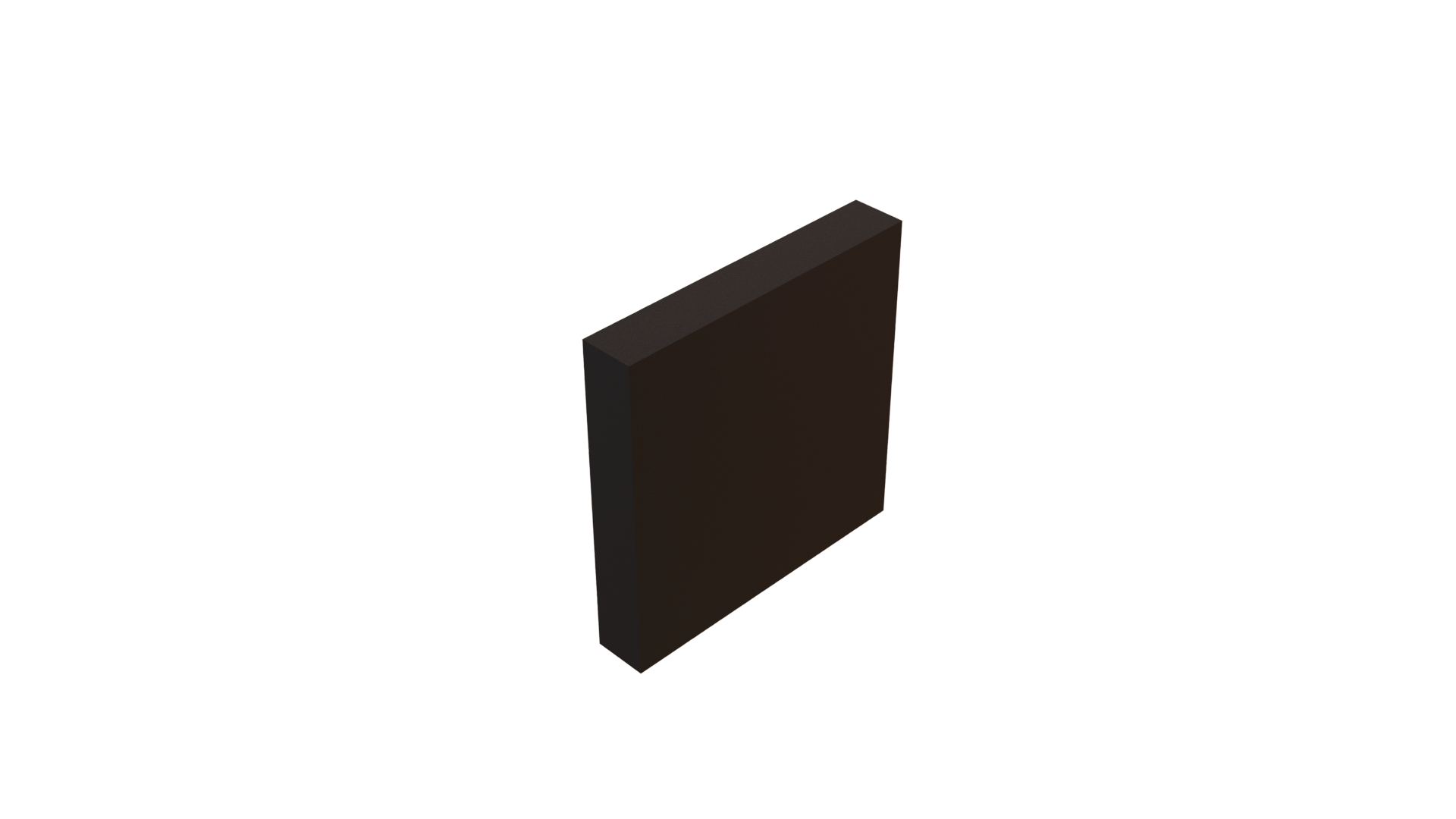
Reverberation is how long sound lingers. The target is not simply less of it, but the right decay time and the same decay on every axis. The panel is a broadband foam absorber working above roughly 200 Hz, 50 mm deep, supplied with a pre-applied adhesive backing.

Reflection

Reflection Control Panel

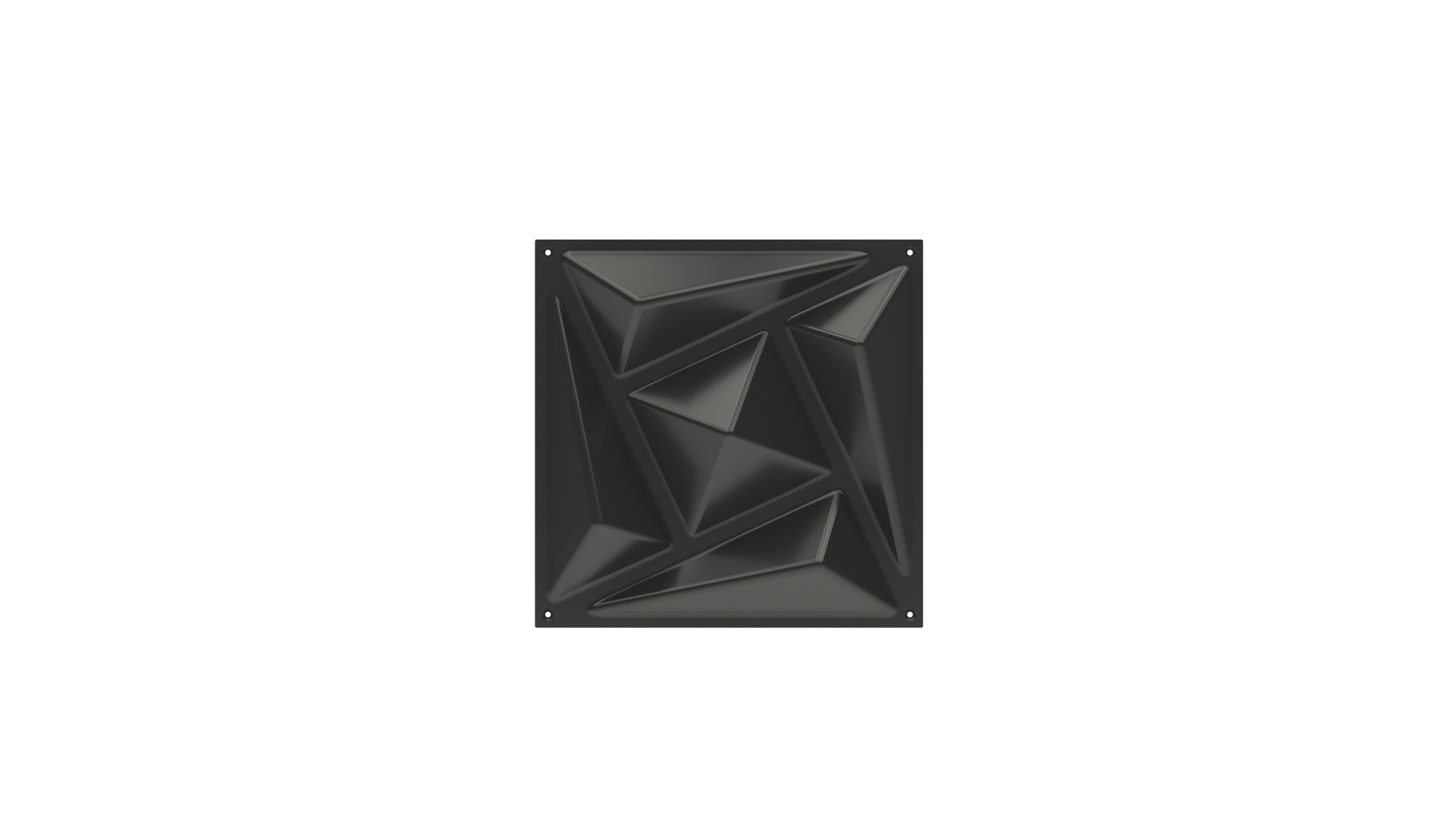
Early reflections arrive just after the direct sound and smear imaging and clarity. The Reflection Control Panel scatters that energy off axis at first reflection points. It is 3 mm injection-moulded ABS, 50 mm deep, with four countersunk fixing points.

Measured, not claimed

50 mm
the deepest panel in the system43 mm for the Resonance Control Panel
BS EN ISO 354
the test standardtested at BSRIA in a 210 m3 reverberation chamber
1.44 m2
coverage per boxquantities round up to whole boxes
3
panels in the systemone for each of the three Rs

How a project runs

Select, design, verify

  1. 01

    Select

    Start from a designed reference room. Each layout shows a panel package and where it goes for a room of that size, so the shape of the answer is visible before a design is commissioned.

  2. 02

    Design

    The design service models the room and returns a report and a treatment layout. It is part of the system rather than an addition to it: panels are placed against modelled behaviour, not by eye.

  3. 03

    Verify

    Once the room is built, its performance can be measured on site, so the targets the design set can be shown to have been met.

Measured performance

Reflection Control Panel, absorption by octave band

0.0 0.2 0.4 0.6 0.8 1.0 1.2 125 250 500 1k 2k 4k FREQUENCY (HZ) ABSORPTION COEFFICIENT
  • Type A, adhesive-bonded. The condition the design assumes. Published absorption chart, series Reflection A
  • Type B, screw-fixed and free to resonate. BSRIA Report 100241/1, test 6. Published as series Reflection B

The values are deliberately low, because the panel scatters reflected energy rather than absorbing it. The two series are the two install types, not two versions of one figure. Bonding damps the panel, so it absorbs less and behaves as the design assumed; fixing it with screws alone leaves it free to resonate and adds absorption the design did not allow for.

Published test data

These files are the authoritative published figures. They are served from the current site until they move into Engine's document store, at which point they publish and version with the products and these links are replaced.

Start a project

Send the room, not a parts list

Start your project